
Uncategorized
Indica or Sativa For Nausea: Which Is Better?
Aug
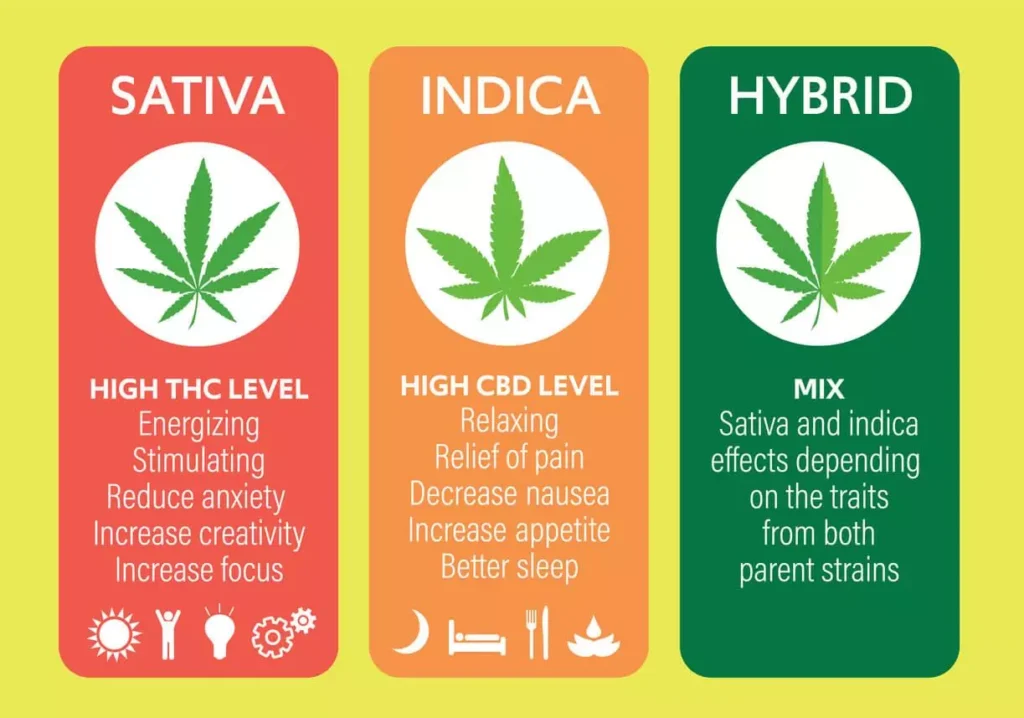
Starting your journey to alleviate nausea with cannabis begins with understanding the key differences between indica and sativa strains, as well as the advantages of hybrid varieties. Each type offers unique effects that can influence their suitability for managing the issue.
| Indica Strains | Often associated with a body-heavy effect. They typically induce a sense of deep relaxation and can be very effective in reducing physical discomforts. The sedative properties of many indica strains make them ideal for evening use, especially for those who experience nausea as a side effect of medical treatments or other health issues. |
| Sativa Strains | Tend to provide a more energising experience. They are known for their ability to stimulate creativity and mental clarity. However, for some people, their stimulating properties might actually exacerbate feelings of nausea, especially if anxiety is a contributing factor. |
| Hybrid Strains | Combine elements of both indica and sativa genetics, offering a balanced solution that can be tailored to individual needs. By leveraging the medicinal benefits of both parent strains, they can calm the mind and body without being overly sedative. |
Best Weed Strains For Nausea Relief
When seeking relief from nausea with cannabis, the choice of strain can make all the difference. Here’s a look at some of the top strains known for their effectiveness, each with unique characteristics and benefits:
| Name | Strain | Properties |
| Sour Diesel | Sativa | Known for its pungent, diesel-like aroma, Sour Diesel is a fast-acting strain that provides energising and uplifting effects. It’s particularly effective for morning use or anytime you need quick relief without the sedative effects. This makes it ideal for those who have obligations throughout the day but need to manage symptoms. |
| Ginger Punch | Hybrid | Sometimes known as Hawaiian Punch, it is loved for its sweet, tropical, and spicy flavour profile that reflects its name. Provides a mild euphoria and body relaxation without heavy sedation, balancing the soothing effects with gentle cerebral stimulation. |
| Northern Lights | Indica | This strain is famous for its earthy and sweet flavours and its crystal-covered buds that shine with a resinous glow. The effects are deeply relaxing, almost immediately easing the body into a blissful calm, which is perfect for severe nausea, especially when rest is needed. It’s most suitable for evening use due to its strong sedative effects. |
| Blue Dream | Hybrid | Balances full-body relaxation with gentle mental invigoration. It features a sweet berry aroma that is redolent of its blueberry parent. This strain is effective for nausea relief while also lifting the spirits – a good choice for maintaining functionality and mood during the day. |
| Jack Herer | Sativa | Named after the cannabis activist, Jack Herer is renowned for its spicy, pine-scented aroma. It’s a well-regarded strain for its quality and potent effects. It offers a bubbly, creative high – perfect for users looking to remain active and uplifted. |
| Banana Kush | Hybrid | Has a sweet, fruity flavour that’s reminiscent of bananas, coupled with a mild sedating effect. Known for inducing a sense of happiness and easing muscle pains. It’s excellent for those who need to manage nausea while also coping with stress and anxiety. |
| Grandaddy Purple | Indica | Recognised by its striking purple buds and berry marshmallow aroma, Granddaddy Purple is a staple in the indica category. It delivers a fusion of euphoria and physical relaxation, making it ideal for nighttime use to also promote sleep. |
How to Use Cannabis For Nausea

How you consume cannabis, and the doses you use are equally as important as choosing the right strain. Here’s a guide to help you navigate these aspects safely and effectively.
Choosing the Right Method
It’s important to understand that the legality of cannabis consumption methods varies by location. For instance, here in the UK, smoking cannabis remains illegal, while vaping is permitted, especially for medical use.
Vaping heats cannabis to a temperature that efficiently releases cannabinoids like THC and CBD without combusting the plant material. This process minimises the inhalation of harmful byproducts such as tar and carcinogens associated with smoking, making it a safer alternative.
Dosage Tips
Begin with a small dose, observe the effects for at least an hour or two, and then decide if you need more. This method helps prevent the discomfort of overconsumption and allows you to find the minimum effective dose for relieving your nausea.
Remember, the optimal dosage can vary widely based on factors like your body weight, metabolism, the severity of your symptoms, and your previous experience with cannabis. For instance, a person who uses cannabis regularly may need a higher dose compared to someone with little to no tolerance.
Strain Selection
Select strains that align with your medical history and current health conditions. For example, if you have a history of anxiety, a high-THC sativa might exacerbate your symptoms, whereas a CBD-dominant hybrid could provide the relief you need without the anxiety spike.
Engaging with healthcare providers who specialise in medical cannabis can provide valuable insights and personalised recommendations. They can help you understand how different strains and consumption methods might interact with your health conditions.
Understanding the Risks of Using Cannabis for Nausea
Like any treatment, medical cannabis comes with its own set of risks and considerations. It’s important to know what these are before considering use.
Variability and Potency
While some strains might be excellent for reducing nausea without much psychoactivity, others might be too potent and cause discomfort. It all depends on their THC-to-CBD ratio. For example, a strain like Cannatonic, known for its high CBD and low THC, is less likely to cause side effects. In contrast, a high-THC strain like OG Kush might be more potent but also riskier for new users.
Side Effects
While medical cannabis is often well-tolerated, it can cause side effects such as:
- Dizziness: Particularly common in new users or those who consume high doses. This can affect balance and coordination.
- Anxiety: High-THC strains might increase anxiety or induce paranoia in some users.
- Dry Mouth and Eyes: These symptoms are among the most common and are generally manageable with hydration and eye drops.
- Memory Impairment: Short-term memory issues can occur while under the influence, especially with strains high in THC.
- Altered Reaction Times: Cannabis can slow reaction times, making it unsafe to operate vehicles or machinery while under the influence.
- Mood Changes: Some individuals may experience mood swings or changes, including increased happiness or, conversely, increased feelings of unease.
- Increased Heart Rate: Shortly after consuming cannabis, some might notice an increase in heart rate, which can be uncomfortable or concerning for people with heart conditions.
- Decreased Blood Pressure: Certain users may experience a slight drop in blood pressure, which can lead to light-headedness upon standing quickly.
Interactions With Other Medications
Cannabis can interact with other medications by affecting how quickly the body processes drugs. For example, it can slow down the liver’s processing of drugs metabolised by the enzyme CYP450. This could lead to higher levels of these drugs in your system, thereby increasing the risk of side effects.
Explore Nausea Relief With Lyphe: Your Path to Personalised Medical Cannabis Care

At Lyphe, we make navigating the world of medical cannabis for conditions like nausea seamless and supportive. We stand out as a pioneer in such treatment in the UK, offering consultations and treatments fully online. This approach not only simplifies the process of obtaining medical cannabis but also ensures that patients can receive care from the comfort of their homes.
In addition to this, our team comprises experienced cannabis doctors who provide personalised treatment plans based on comprehensive assessments. This patient-centred approach is complemented by dedicated support throughout the treatment journey, making Lyphe a preferred choice for those seeking effective and convenient nausea relief through medical cannabis.
Interested in a tailored approach to your nausea relief? Book an appointment with Lyphe today and take the first step towards personalised care.
Conclusion
Through exploring the best strains for nausea, we’ve seen how medical cannabis can help manage this distressing symptom effectively. From the soothing properties of indica to the uplifting effects of sativa, and the balanced relief found in hybrids, there’s a strain to suit every need and time of day.
Alongside this, we’ve emphasised the importance of vaping over smoking due to health implications and legal considerations. Moreover, starting with low doses, and considering potential side effects such as dizziness and anxiety is crucial.
Also, remember that Lyphe offers expert guidance in navigating these complexities, ensuring your treatment is both safe and effective. Ready to explore how personalised medical cannabis treatment can help manage your nausea? Get in touch with our specialists today and take the first step towards relief.
Frequently Asked Questions
What terpenes are good for nausea?
Several terpenes are known for their potential to help alleviate nausea. Myrcene, often found in mangoes and lemongrass, has a calming effect and can be beneficial. Limonene, with its citrusy aroma, is also noted for anti-nausea properties and can enhance mood. Both terpenes are prevalent in many cannabis strains and are known for providing relief.
What strain of weed is good for chemo nausea?
For managing chemo-induced nausea, strains rich in both THC and CBD, such as Northern Lights and Cannatonic, are often recommended. These strains provide a soothing effect and help mitigate nausea and vomiting associated with chemotherapy naturally.
What is the best weed for migraine and nausea?
The strain Harlequin is highly recommended due to its balanced CBD-to-THC ratio, which helps in managing migraine pain and reducing nausea without intense psychoactive effects. Another effective option is ACDC, known for its high CBD content.
How do cannabinoids work to relieve nausea?
Cannabinoids like THC and CBD interact with the body’s endocannabinoid system, particularly targeting receptors in the brain and digestive tract that regulate nausea and vomiting. This interaction makes cannabinoids effective in relieving these symptoms, which are often associated with medical treatments like chemotherapy.
